
Kitchen
Eco Friendly Kitchen Remodel: Practical Ideas That Work
Eco friendly kitchen remodel ideas: keep or reface cabinets, efficient appliances, induction, LED lighting, low-VOC finishes and less waste in Orlando.
By the Prime Construction team Updated October 13, 2026 5 min read
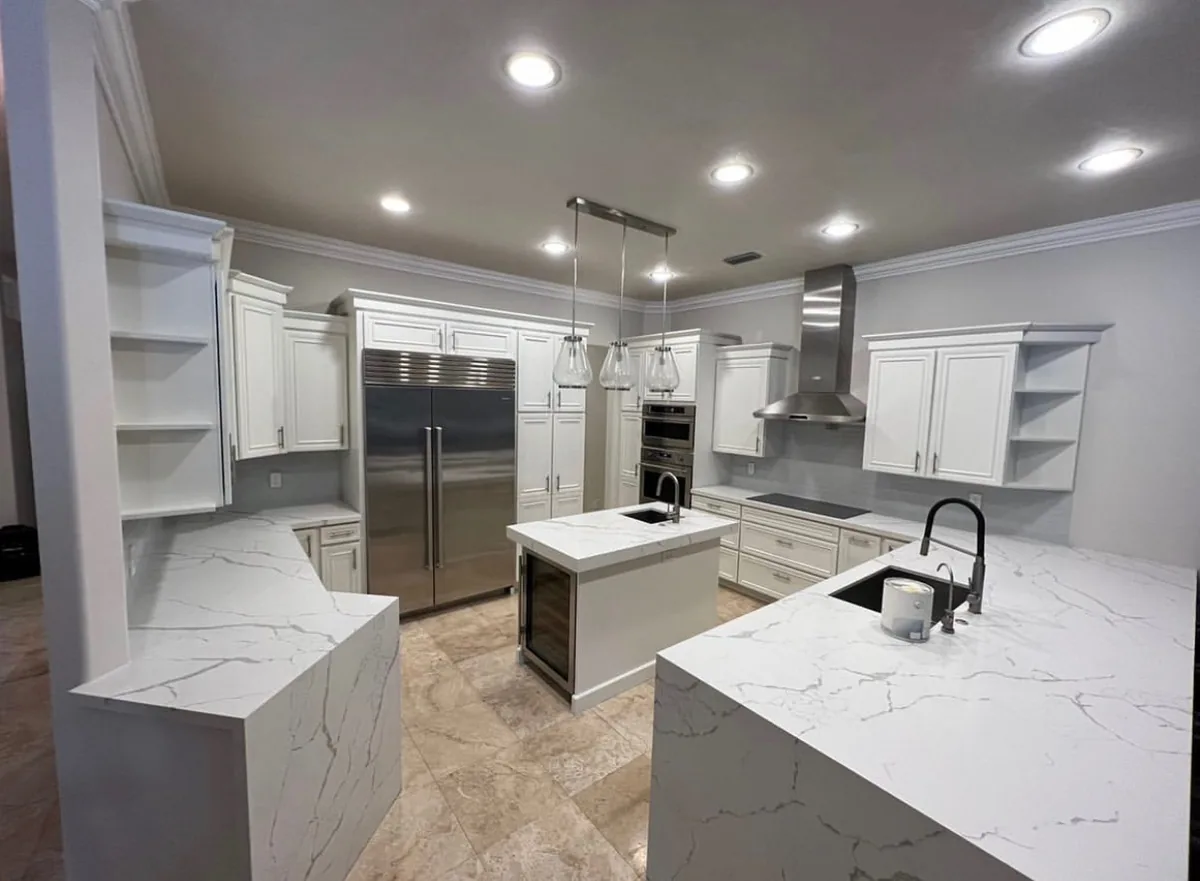
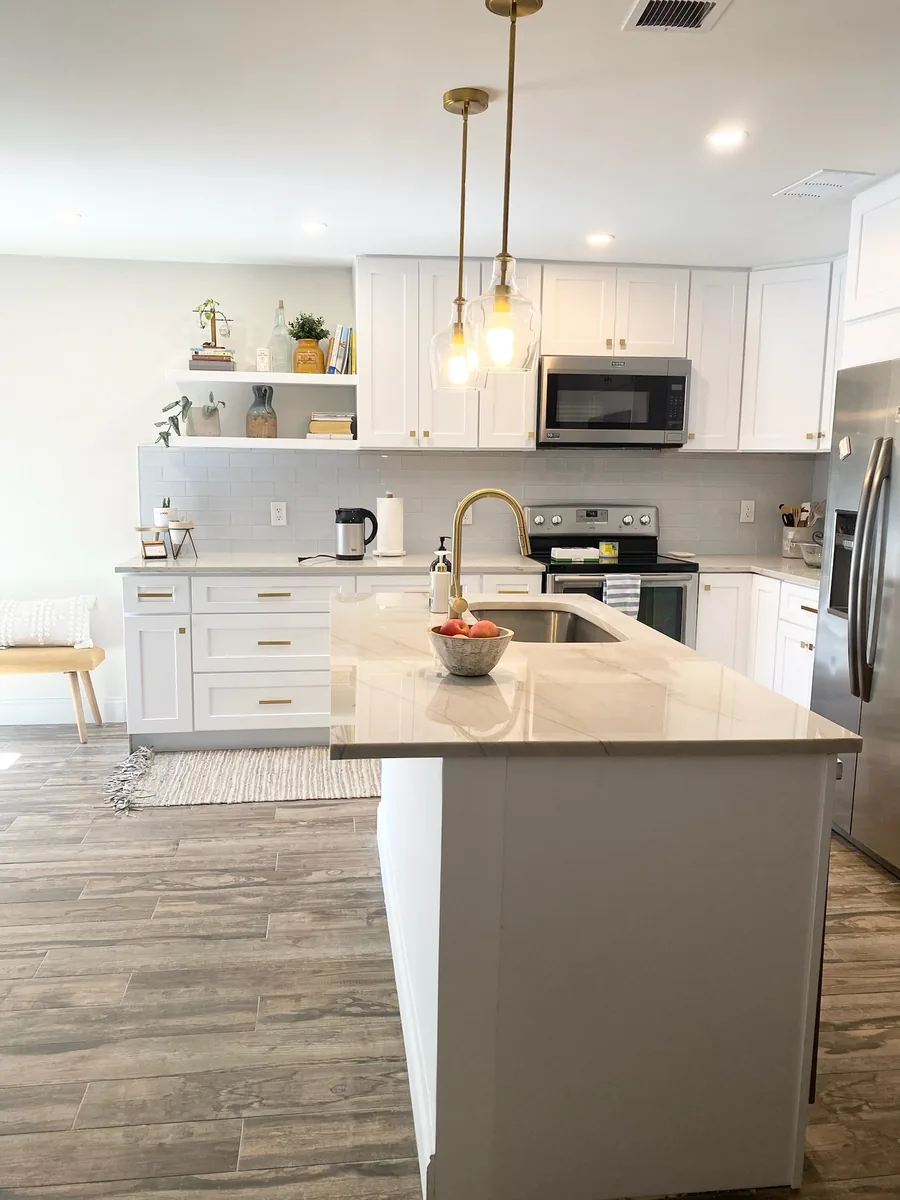
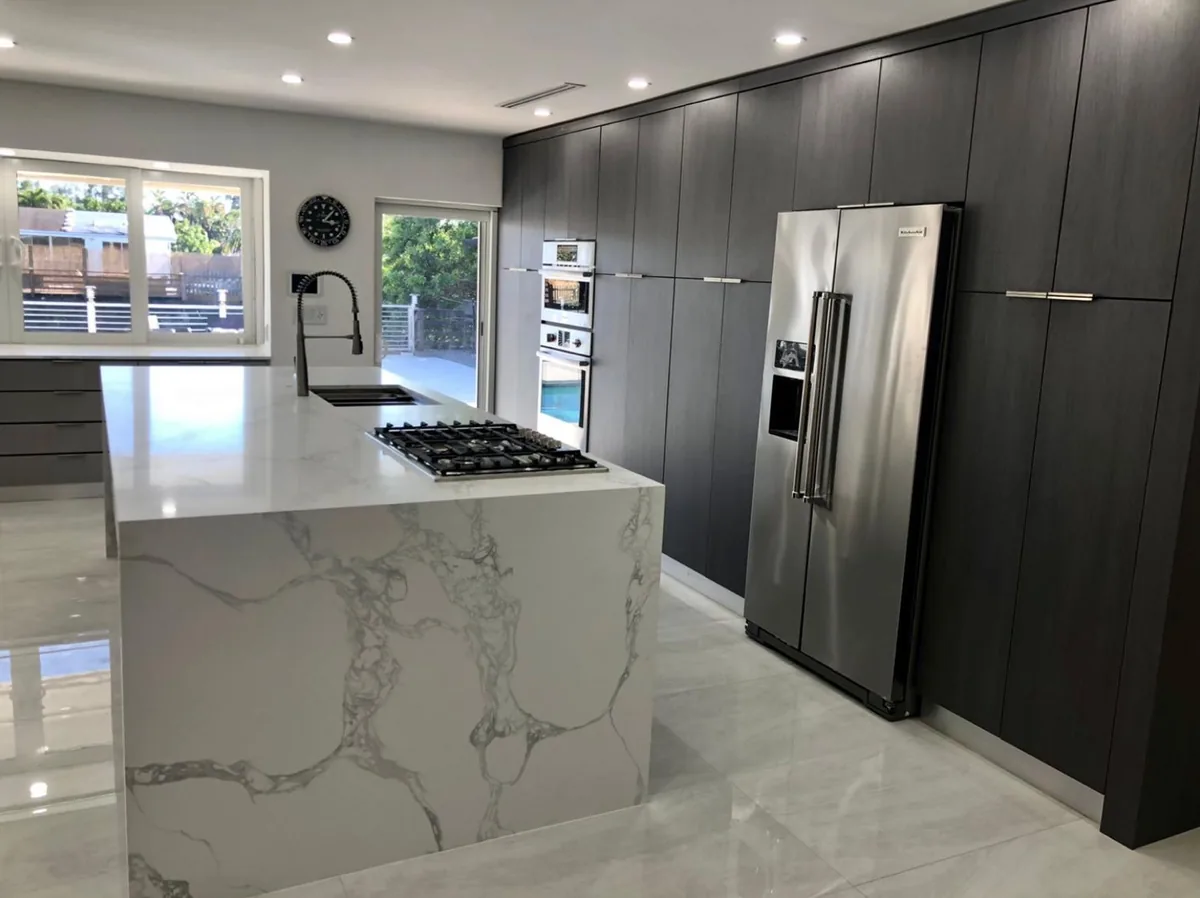
An eco friendly kitchen remodel saves the most resources by changing less: keeping the layout and plumbing where they are, reusing or refacing sound cabinets, and replacing only what is worn out. For what you do replace, choose efficient appliances, LED lighting, water-saving fixtures and finishes with low chemical emissions, and plan for good ventilation. In a Florida home, those choices also reduce the heat and humidity your air conditioner has to fight.
Start with what you can keep
The greenest material is the one you do not throw away. Before choosing any new product, look at:
- Layout. Keeping the sink, range and dishwasher in place avoids moving plumbing and gas, which in a slab-on-grade Orlando home means cutting and trenching concrete. Moving a sink or other plumbing typically adds $1,500 to $4,000 or more.
- Cabinet boxes. If they are solid and dry, they can be refaced or painted instead of replaced.
- Appliances. A newer refrigerator or dishwasher in good condition can stay.
- Flooring. Some floors can be refinished, or new flooring can go over a sound existing surface where the height works.
- Reusable items. Old cabinets, appliances and fixtures in good condition can go to a reuse center or a garage, laundry room or workshop instead of a dumpster.
Cabinets: reface, refinish or replace with care
Cabinets are usually the largest line in a kitchen budget, roughly 30 to 40 percent of a full remodel, and the largest source of demolition waste.
| Option | Waste | Typical Orlando-area cost |
|---|---|---|
| Paint or refinish existing cabinets | Very low | Part of a $15,000 to $35,000 cosmetic refresh |
| Reface (new doors, drawer fronts, veneer on boxes) | Low | $7,000 to $15,000 for an average kitchen |
| Replace with new cabinets | Highest | Part of a $35,000 to $75,000 mid-range remodel |
Cabinet refacing keeps the boxes and is usually 40 to 50 percent less than comparable new cabinets. Our cabinet refacing cost guide covers it in detail.
If you need new cabinets, ask about:
- Formaldehyde emissions. Composite wood products such as particleboard and MDF sold in the U.S. must meet the EPA’s formaldehyde emission standards. Ask for products labeled as compliant, and consider low-emission or no-added-formaldehyde options.
- Plywood boxes, which hold up better to Florida humidity and minor leaks than low-grade particleboard and therefore last longer.
- Low-VOC finishes on painted or stained doors.
- Responsibly sourced wood, with a third-party chain-of-custody certification.
Appliances that use less energy and water
- Look for ENERGY STAR certified models of refrigerators, dishwashers and other appliances. The ENERGY STAR site lets you compare certified products.
- Size the refrigerator to your household. A larger unit than you need, or a second refrigerator in a hot garage, uses more energy.
- Run a full dishwasher instead of hand-washing under running water. Modern dishwashers use little water per cycle.
- Induction cooking heats the pan directly, so less heat spills into the room. In an Orlando kitchen, that is heat your air conditioner does not have to remove.
Ventilation and indoor air
Cooking adds moisture, grease and combustion byproducts to indoor air, especially with a gas range. A good range hood matters as much as any green material.
- Choose a hood vented to the outside, not a recirculating unit, wherever the house allows it.
- Size it to the cooktop and run it every time you cook.
- In Florida humidity, ducting moisture outside also helps protect cabinets and drywall from mold.
- The EPA’s indoor air quality pages explain why source control and ventilation matter.
Water-saving fixtures
- Kitchen faucets in the U.S. are limited by federal standards to 2.2 gallons per minute. Some models flow less, and an aerator or a faucet with a spray mode helps rinse efficiently.
- Touchless or foot-pedal faucets reduce water left running.
- Insulating hot water lines and placing the water heater closer to the kitchen, when possible, cut the wait for hot water.
- Fix leaks before closing up walls. A small leak inside a cabinet wastes water and damages the cabinet floor.
Lighting
- Replace older fixtures with LED recessed or surface lights and LED under-cabinet strips. LEDs use far less energy than incandescent bulbs and give off less heat.
- Use layered lighting so you light only the area you are using: task lights at counters, ambient ceiling light, and a decorative fixture over the island or table.
- Add dimmers or occupancy sensors where they make sense.
- Use daylight. A lighter backsplash and counter reflect window light deeper into the room.
Countertops, backsplash and flooring
No surface is perfect, so choose for long life.
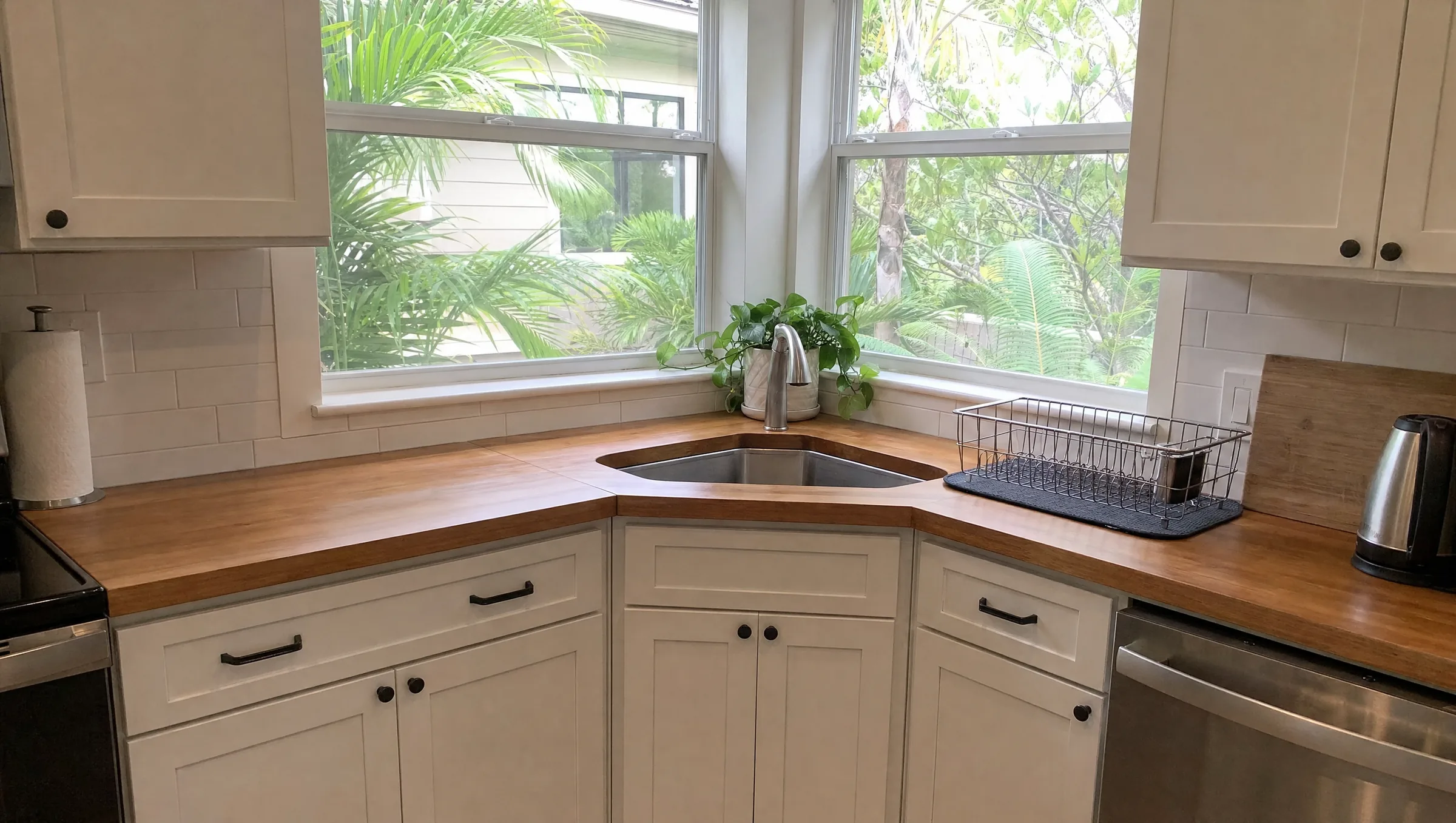
- Countertops. Quartz and granite are very durable. Butcher block from responsibly managed forests is renewable but needs regular oiling and care near the sink. Recycled-content surfaces are another option. Whatever you choose, a top that lasts 25 years beats a trendier one you replace in 10. See our quartz vs granite guide.
- Backsplash. Ceramic and porcelain tile are long-lasting and easy to clean. Recycled-glass tile is available in many colors.
- Flooring. Porcelain tile lasts for decades. Luxury vinyl plank is durable and water resistant in Florida humidity. Cork and bamboo are renewable but can be sensitive to moisture.
- Adhesives, grout and sealers. Ask for low-VOC products.
Reduce construction waste
- Ask your contractor how debris is sorted and whether metal, cardboard and clean wood are recycled.
- Donate usable cabinets, appliances and fixtures.
- Order carefully. Accurate measuring and checking every item on delivery avoids reorders and returns.
- Avoid design changes after work starts, which create waste as well as cost.
A simple plan
- List what is worn out and what still works.
- Keep the layout if it functions.
- Reface, refinish or carefully replace cabinets.
- Choose ENERGY STAR appliances and a vented hood.
- Switch to LED lighting with task lights.
- Pick durable counters and floors you will keep for decades.
- Plan reuse and recycling of what comes out.
Planning an eco friendly kitchen remodel in Orlando?
The most sustainable remodel is one that is planned well enough that nothing has to be redone. Prime Construction offers kitchen remodeling across Orange, Seminole, Osceola and Lake counties. We measure your kitchen, help you decide what to keep, and provide a 3D design rendering before anything is ordered. Call (407) 404-3944 or request an estimate.