What does a general contractor do?
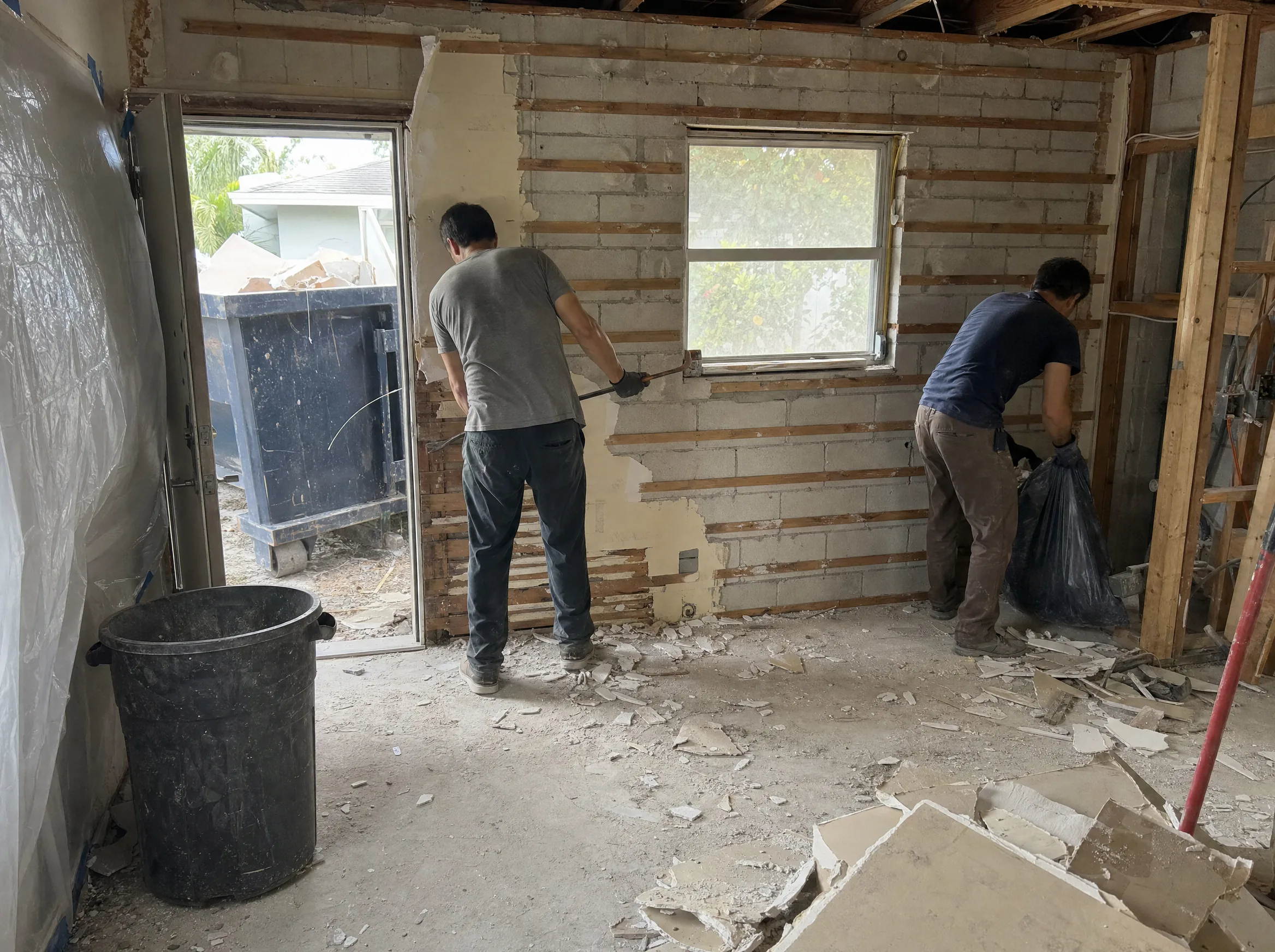
A general contractor takes responsibility for the whole project, not one trade. On a kitchen remodel, a bathroom with plumbing moves, an addition or a commercial build-out, that means turning your goals into a written scope, getting the permit, scheduling framing, plumbing, electrical, HVAC, drywall, tile and finish trades in the right order, buying material, supervising quality and making sure every inspection passes.
The value is coordination and accountability. When one company holds the contract and the permit, there is one place to call when a delivery is wrong or an inspector asks for a change, and nobody can blame another trade. The building department also holds the permit holder responsible for code compliance, which protects you.
Many homeowners in Orlando first look for a general contractor when a project touches more than one trade: opening a wall, moving a kitchen sink across a slab, converting a garage or adding a room. Those are the jobs where coordination matters most.
CGC, CBC or CRC: what license does a contractor need in Florida?
Florida licenses contractors at the state level through the Department of Business and Professional Regulation (DBPR). Three license types cover building work, and they are not interchangeable. A Certified General Contractor (CGC) can build and remodel residential and commercial buildings of any size. A Certified Building Contractor (CBC) is limited to buildings up to three stories. A Certified Residential Contractor (CRC) is limited to residential buildings up to two stories.
Plumbing, electrical, roofing and mechanical work have their own licenses. Prime Construction holds both a Certified General Contractor license (CGC1535686) and a Certified Plumbing Contractor license (CFC1433952), so we can take on residential and commercial projects and do plumbing under our own license.
A certified license is valid statewide. Some contractors hold a registered license instead, which is valid only in the local area where they hold a competency card. Either way, the license should be active and in the name of the company on your contract.
How to verify a contractor license on myfloridalicense.com
Go to myfloridalicense.com and choose the option to verify a license. Search by license number (for us, CGC1535686 or CFC1433952) or by name. Check that the status is current and active, that the license type fits your project, and that the name matches the company on your estimate. The record also lists the qualifier and may show any public disciplinary history.
Want a licensed contractor to look at your general contractor?
How do you protect yourself when hiring a contractor?
Most contractor problems homeowners run into could have been caught before signing. These are the checks we suggest for any contractor, including us. None of them take long, a good contractor expects them, and any hesitation to provide one is worth noticing.
- License: verify it on myfloridalicense.com and make sure the license type covers your scope.
- Insurance: ask for a certificate of insurance showing general liability and workers' compensation coverage (or a valid exemption), sent directly from the insurance agent.
- Permit in the contractor's name: if a contractor asks you to pull the permit yourself as an owner-builder, you take on the legal responsibility for the work.
- Written contract: scope, materials, allowances, schedule, payment milestones, how changes are priced and approved, and cleanup should all be in writing.
- Notice of Commencement: for larger permitted projects, it is generally recorded with the county and posted at the job site before work starts.
- Lien releases: collect releases from the contractor, and from any subcontractor or supplier who sent you a Notice to Owner, before you make the final payment.
- References and reviews: read recent reviews for patterns about start dates, cleanliness, communication and how problems were handled.
Notices of Commencement, Notices to Owner and lien releases
Florida's Construction Lien Law gives subcontractors and suppliers the right to file a lien against your property if they are not paid, even when you paid your general contractor in full. That is why the paperwork matters. The Notice of Commencement is a short form you sign, recorded with the county clerk, that tells everyone who is working on the property and who the owner and contractor are. Building departments generally expect it on file before the first inspection on larger permitted jobs.
Subcontractors and suppliers who want to protect their right to a lien send you a Notice to Owner. Keep those notices. Before each payment, and especially the final one, ask for a release of lien from the contractor and from everyone who sent a notice. We provide releases as part of our closeout so you have a clean record when the job is finished.
How should payments to a contractor be scheduled?
Payments should follow progress. A fair schedule ties each payment to a milestone you can see: the contract signed and material ordered, demolition and rough-in complete and inspected, major installation such as cabinets or tile done, and final completion with the walk-through and permit closed. You should never be far ahead of the work that has been done.
Our payment schedule is tied to project milestones and spelled out in the written contract before work begins, so there are no surprises. Be cautious of any contractor who wants most of the price in cash before starting, will not put the schedule in writing, or asks for payment in a name different from the company on the license. Several of our reviewers mention no hidden fees, and that comes from agreeing the scope and the payment schedule in writing at the start.
Want a licensed contractor to look at your general contractor?
What not to tell a contractor (and what to say instead)
Searchers ask this a lot, and most of the advice online is about hiding things. Our view is the opposite: the more clearly you communicate, the better the project goes. The real risk is in a few phrases that leave things open to interpretation.
- Instead of 'money is no object' or 'I have no idea about budget', share a realistic range. It lets the contractor design to it instead of guessing.
- Instead of 'do whatever you think is best', ask for options in writing and approve the one you choose.
- Instead of 'we can skip the permit', ask what the permit covers. Skipping it can cause trouble at resale or with an insurance claim.
- Instead of agreeing to changes in a hallway conversation, ask for a written change order with the price and schedule impact.
- Instead of 'I need it done by next week' as pressure, tell the contractor about your real deadline so the schedule can be built around it honestly.
Residential and commercial projects
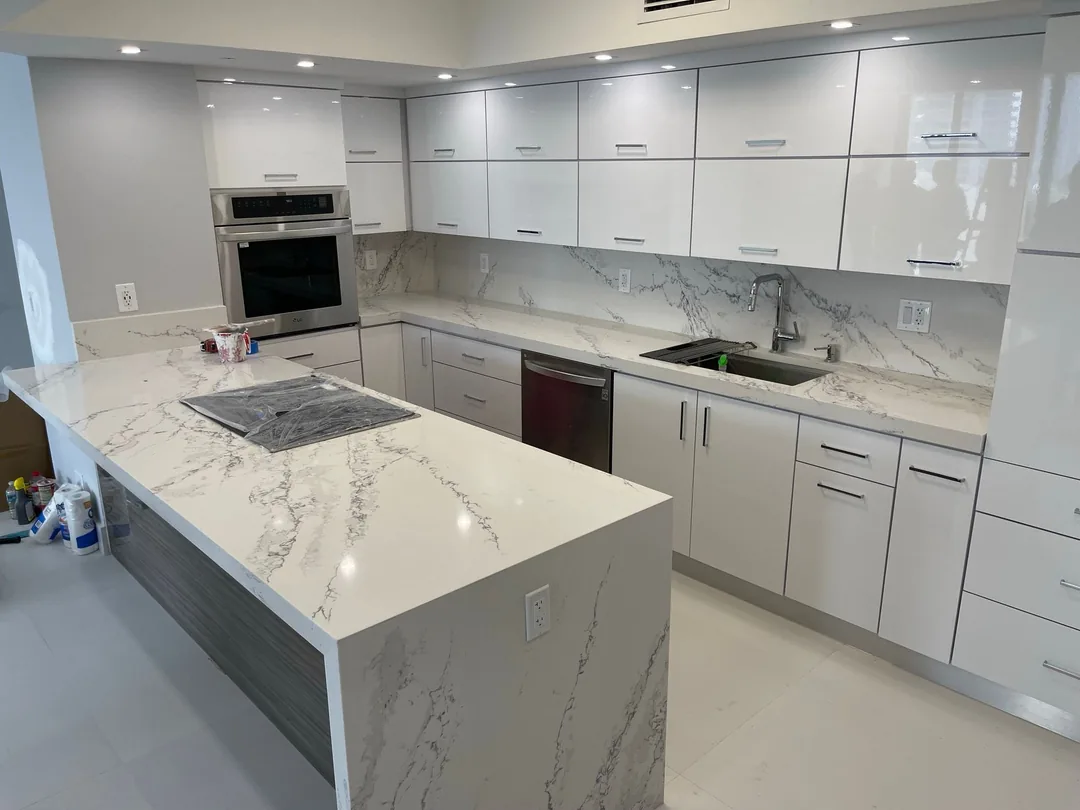
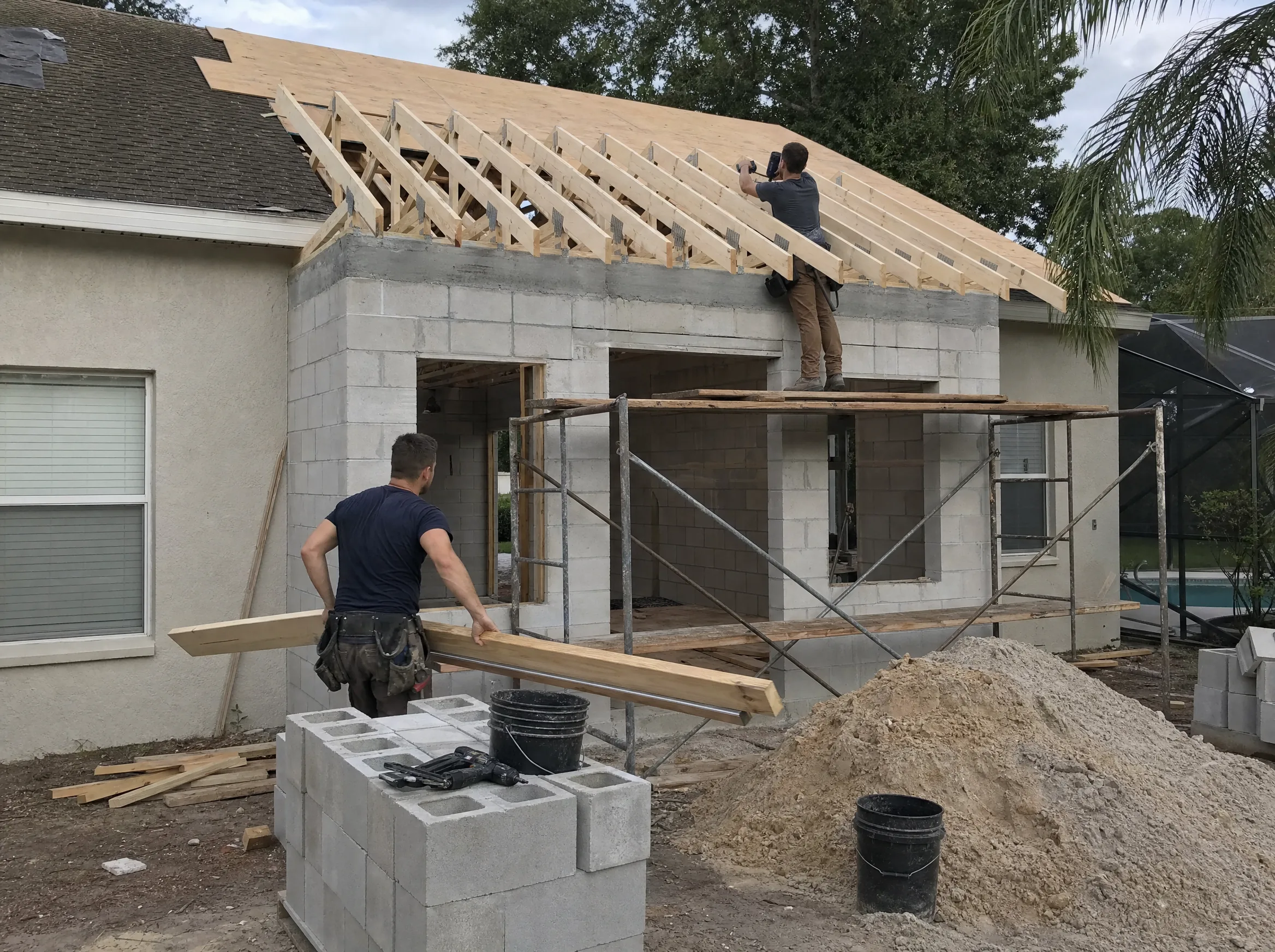
Most of our work is residential: kitchen remodeling, bathrooms, flooring, windows and whole-home remodeling, plus home additions such as garage conversions and in-law suites. Our Certified General Contractor license also covers commercial work, so we take on office, retail and restaurant build-outs and tenant improvements in Central Florida.
Commercial projects add their own steps: drawings sealed by a design professional where required, coordination with property managers and landlords, work scheduled around business hours and inspections for the commercial occupancy. Details, including the kinds of build-outs we take on, are on our commercial construction page.
Which counties and cities do we serve?
Our office and showroom is on Kingspointe Pkwy in southwest Orlando, near I-4 and the Sand Lake and Dr. Phillips side of town. We work throughout Orange, Seminole, Osceola and Lake counties, and in the Davenport and ChampionsGate area of Polk County. That includes Orlando, Winter Park, Windermere, Winter Garden, Ocoee, Apopka, Kissimmee, St. Cloud, Celebration, Sanford, Lake Mary, Oviedo, Longwood, Altamonte Springs and Clermont.
Permits come from the city building department for homes and businesses inside city limits, and from the county for unincorporated areas. We confirm the right authority for your address during the estimate, pull the permit there and handle every inspection on your behalf.
Typical timeline
Every project gets its own schedule in writing before work starts. These are the ranges most general contractor projects fall into.
| Phase | Typical duration | What happens |
|---|---|---|
| Site visit and scope | 1 visit | We see the property, measure, discuss goals and constraints, and note what will need a permit or an engineer. |
| Design and written estimate | Typically 1 to 3 weeks | 3D design for remodels, selections with our designer, and a written estimate with scope and payment milestones. |
| Permits and ordering | Typically 2 to 8 weeks | Drawings and permit applications submitted; material ordered and checked. Time depends on the building department and scope. |
| Construction | Varies by scope | Trades scheduled in order, rough inspections passed before walls close, regular updates to you throughout the job. |
| Final inspection and closeout | About 1 week | Final inspections, punch list, lien releases and permit closeout, followed by a walk-through with you. |