Home Remodeling
Home Restoration: What It Means and How to Plan One
Home restoration explained: how it differs from renovation, damage repair after water or storms, restoring older Orlando homes, permits and the process.
By the Prime Construction team Updated October 13, 2026 5 min read
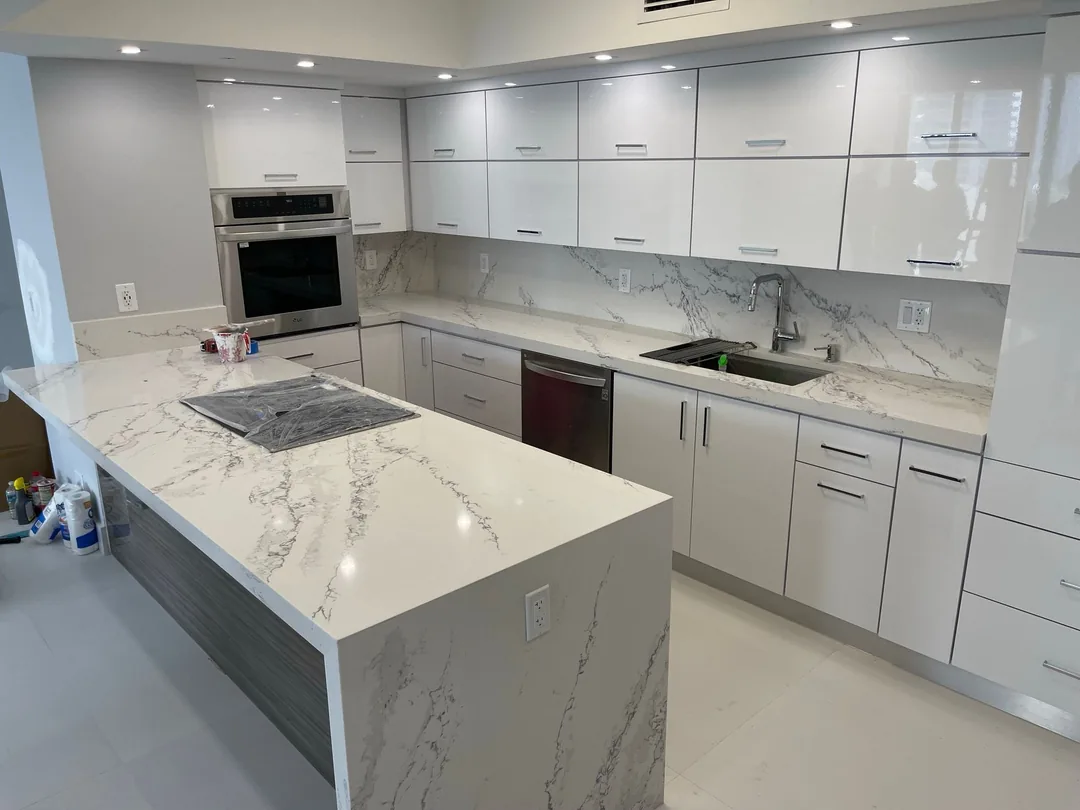
Home restoration means bringing a house back to its original or pre-damage condition, rather than changing it into something new. In practice it covers two kinds of projects: rebuilding after water, storm or fire damage, and restoring the character of an older home by repairing original features instead of replacing them. Both need a clear plan for what is saved, what is replaced, and what has to be brought up to current code along the way.
Home restoration vs renovation vs remodeling
The three words are often used interchangeably, but the difference shapes your budget and your permits.
| Term | Goal | Example |
|---|---|---|
| Restoration | Return to original or pre-damage condition | Rebuilding a flooded room to match the rest of the house, refinishing original wood floors |
| Renovation | Update with new materials and systems | New kitchen cabinets and counters in the same layout |
| Remodeling | Change the layout or function | Removing a wall, moving a bathroom, adding a room |
Most real projects mix all three. A water-damaged kitchen might be restored to its pre-loss condition with insurance money, and the owner may pay the difference to upgrade the counters at the same time. Keeping those two parts separate in the scope makes insurance and budgeting much easier.
Damage restoration: water, storm and fire
Two phases: mitigation and rebuild
Damage restoration usually happens in two stages:
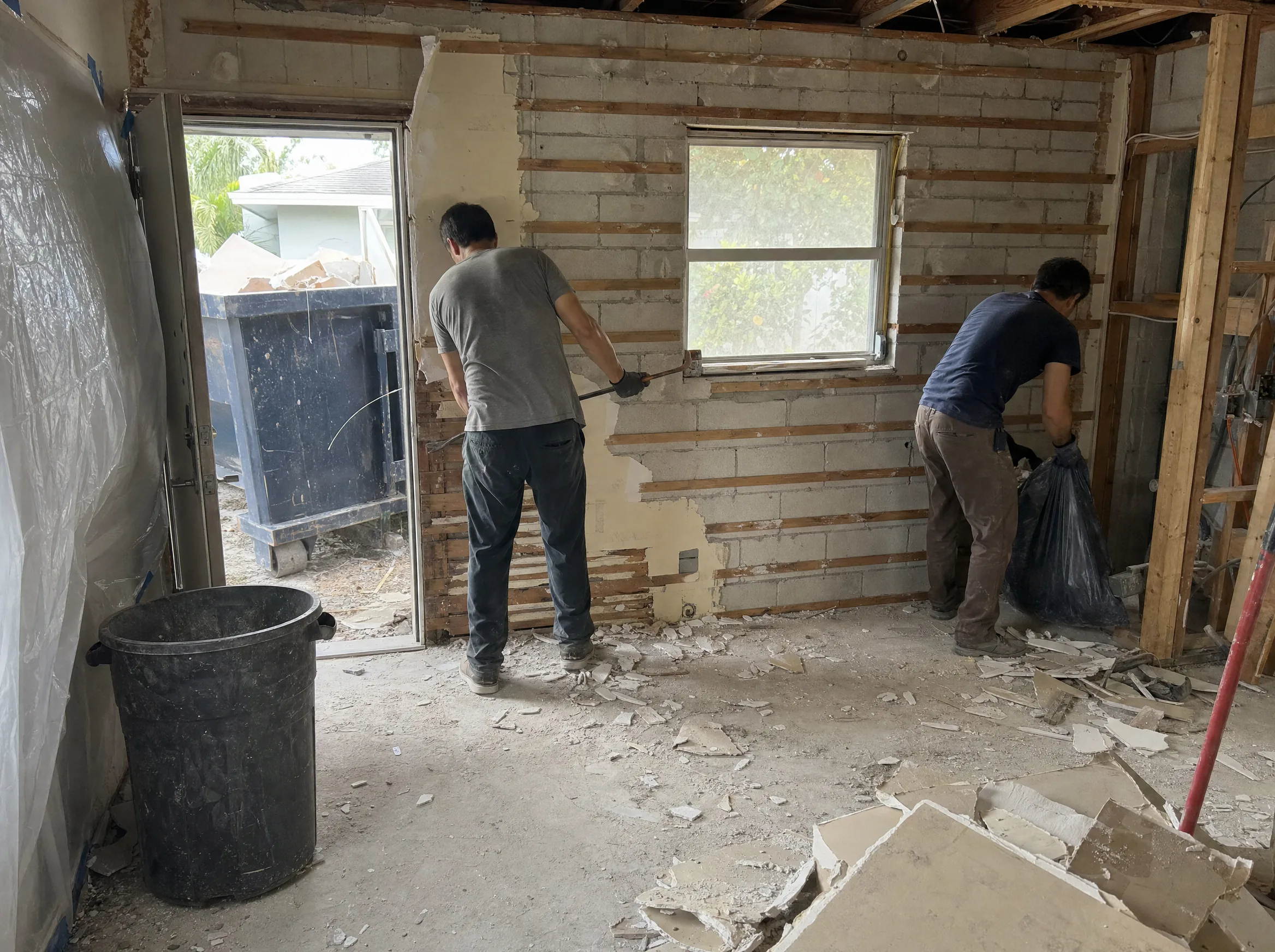
- Mitigation. Stopping the damage from spreading: water extraction, drying, dehumidifying, removing wet drywall and insulation, tarping a roof, boarding windows. This is usually handled by a specialized mitigation company right after the event.
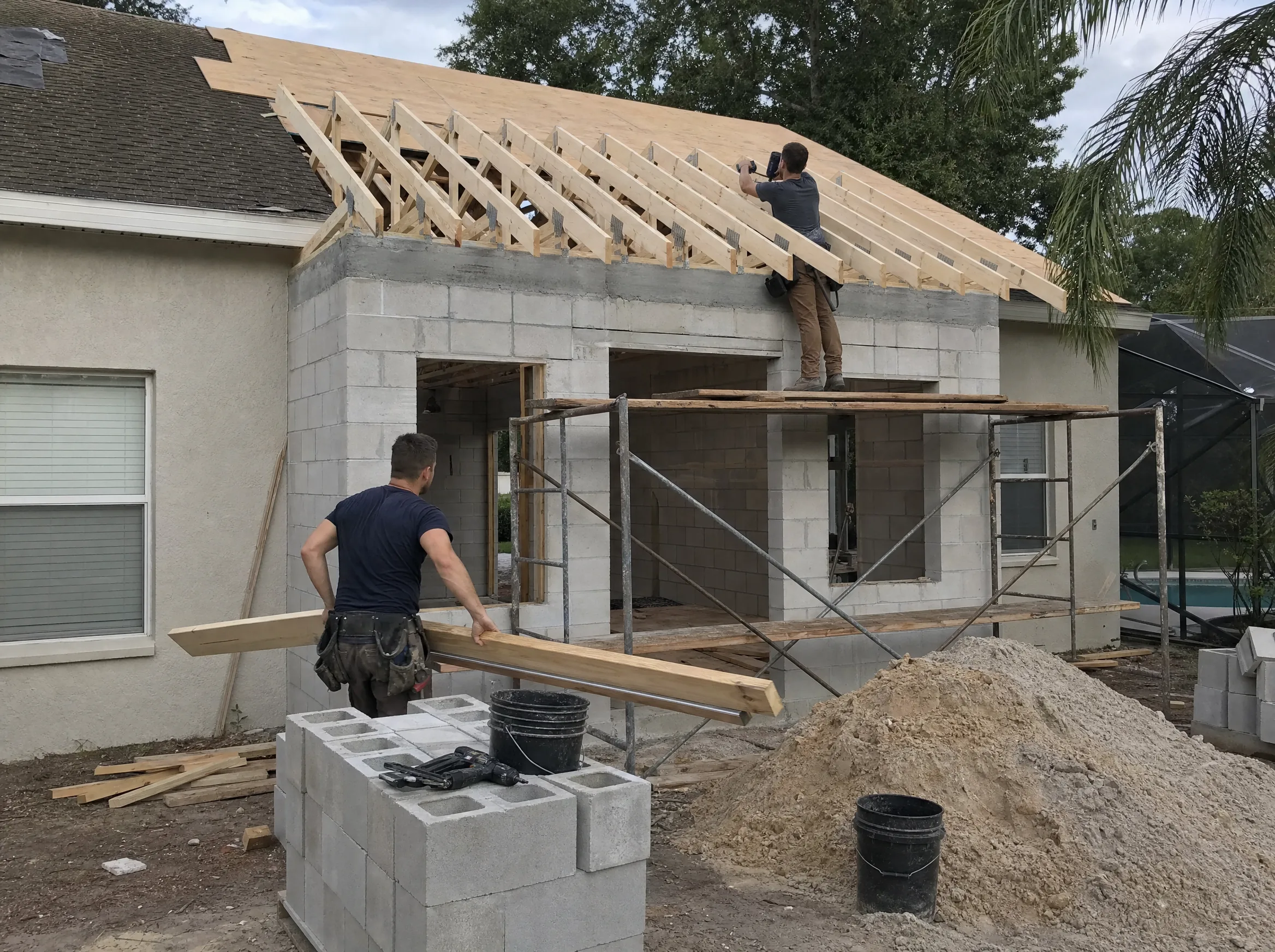
- Rebuild. Repairing and replacing what was removed: framing repairs, drywall, insulation, flooring, cabinets, tile, paint, and any plumbing or electrical work. This is general contractor work and usually needs permits.
Do not close walls until the structure is confirmed dry. In Central Florida’s humidity, wet framing closed up behind new drywall is a common source of mold later.
Water damage
Common sources in Orlando-area homes include burst or failing supply lines (especially older polybutylene or galvanized pipe), leaking showers, water heater failures, roof leaks and storm-driven rain. Fix the source before restoring the finishes, or the damage returns. In bathrooms, water damage behind tile or a rotted subfloor often costs $2,000 to $8,000 or more to repair, depending on how far it has spread. See our guide to the cost of bathroom repair for smaller fixes.
Storm damage
Hurricane season runs June 1 to November 30. Storm restoration often involves roofing, soffits, windows, doors, and water damage inside. Replacement windows and exterior doors need to meet the design-pressure rating for your location and need a permit, even when you are replacing like for like.
Fire and smoke damage
Fire restoration involves structural evaluation, removal of charred materials, cleaning or sealing smoke-affected surfaces, and often electrical replacement. Heavy fire damage typically needs engineering before rebuilding.
Restoring an older Orlando home
Restoring an older home means keeping what gives it character while fixing what no longer works. Common features worth evaluating before you tear anything out:
- Wood floors. Older frame homes often have solid wood floors that can be sanded and refinished.
- Terrazzo. Many mid-century Florida block homes have terrazzo floors hidden under carpet or tile. They can often be ground, repaired and polished.
- Original windows and trim. Sometimes repairable, though energy and storm performance may push you toward replacement.
- Plaster walls and built-ins. Repairable by skilled trades, often with better results than full replacement.
What usually cannot be restored and needs replacing:
- Old galvanized or polybutylene water lines.
- Cast iron drain lines under the slab that are cracked or scaling.
- Outdated electrical panels, ungrounded wiring and undersized service.
- Termite-damaged framing.
The best restorations keep the visible character and modernize the hidden systems. For a full view of what an older house can need, see our home gut renovation cost guide.
Permits, historic districts and codes
Like-for-like cosmetic repair, such as replacing drywall or repainting, often does not need a permit. Structural repairs, roofing, windows, doors, plumbing, electrical, mechanical and gas work generally do. Inside city limits the city issues permits; in unincorporated areas the county does. Repairs are inspected to the Florida Building Code, 8th Edition (2023).
Other rules that come up in restoration work:
- Historic districts. Homes in designated historic districts in cities such as Orlando and Winter Park may need approval through the city’s historic preservation process before exterior changes. Check before ordering windows, doors or roofing.
- Lead paint. Homes built before 1978 may contain lead-based paint. Federal rules require certified renovators and lead-safe practices when that paint is disturbed. See the EPA lead renovation program.
- Asbestos. Older ceiling texture, floor tile and mastic should be tested before they are disturbed.
- Flood zones. In a mapped flood hazard area, if repair or improvement costs reach 50 percent of the structure’s market value, the substantial damage or substantial improvement rule can require the building to meet current floodplain standards. Ask your building department. FEMA’s floodplain management pages explain the rule.
- Notice of Commencement. Required for improvements where the contract is more than $5,000.
Working with insurance on a restoration
Insurance terms vary widely, so read your policy and talk to your insurer. General steps that help:
- Photograph and video the damage before anything is removed.
- Take reasonable steps to prevent further damage, such as shutting off water or tarping a roof, and keep receipts.
- Report the claim promptly.
- Get a detailed written scope for the rebuild that matches the damaged areas, so it can be compared with the insurer’s estimate.
- Keep any upgrades you are paying for yourself on a separate line.
A contractor can provide the scope and estimate, but coverage decisions belong to your insurer.
The home restoration process
- Assessment. Walk through the damage or the house, test for moisture, and identify what can be saved.
- Mitigation or stabilization. Dry out, remove damaged materials, protect the structure.
- Scope and estimate. Written list of repairs, materials and any code upgrades.
- Permits. For structural, trade and envelope work.
- Rebuild. Framing, systems, insulation, drywall, finishes.
- Matching. Matching flooring, trim profiles, texture and paint is what makes restoration look finished. Expect some areas to be redone beyond the damaged spot so the result blends.
- Final inspection and walk-through.
Choosing a contractor for restoration work
- Verify the license at myfloridalicense.com. Structural rebuilding needs a Certified General, Building or Residential Contractor.
- Confirm liability and workers’ compensation insurance.
- Be cautious with anyone who knocks on your door after a storm, asks for a large deposit up front, or asks you to pull the permit yourself.
- Ask how they will match existing finishes and who handles plumbing and electrical repairs.
Planning a restoration in Orlando?
Whether you are rebuilding after a leak or restoring an older home’s character, the first step is a clear written scope. Prime Construction is a licensed general contractor (CGC1535686) for home remodeling and general contracting across Orange, Seminole, Osceola and Lake counties, including Winter Park. Emergency drying is a separate specialty; our part is the rebuild that follows. Call (407) 404-3944 or request an estimate.