
Home Remodeling
Orlando Renovations: A Homeowner's Planning Guide for 2026
Planning Orlando renovations: what homes of each era need, typical costs, permits by city and county, HOA approvals, timing and choosing a local company.
By the Prime Construction team Updated October 13, 2026 5 min read
Orlando renovations usually start with the kitchen or bathrooms, but in Central Florida the age of the house often decides the real scope. A 1960s block home may need new drain lines under the slab, a 1990s home may still have polybutylene water pipe, and a newer home in a master-planned community may need HOA approval before any exterior change. This guide covers what homes of each era tend to need, typical 2026 costs, how permits work across Orlando-area cities and counties, and how to choose a local renovation company.
What Orlando homes of each era usually need
Most Orlando-area houses fall into a few broad groups. These are general patterns, not rules, so an inspection of your own home is what counts.
Older homes near downtown and Winter Park
Many early homes near downtown Orlando and in Winter Park are wood frame on raised foundations, some in designated historic districts. Common needs:
- Updated electrical service and wiring.
- Replacement of old galvanized water lines.
- Termite repairs in framing and sills.
- Approval from the city’s historic preservation process for exterior changes in historic districts.
Mid-century block homes (roughly 1950s to 1970s)
Concrete block ranch homes on slabs are common across Orlando, Winter Park, Maitland and older parts of Kissimmee and Sanford. Common needs:
- Cast iron drain lines under the slab that may be cracked or scaling. A drain camera inspection before you budget is worth doing.
- Galvanized supply lines and undersized electrical service.
- Terrazzo floors hidden under carpet or tile, which some owners choose to restore.
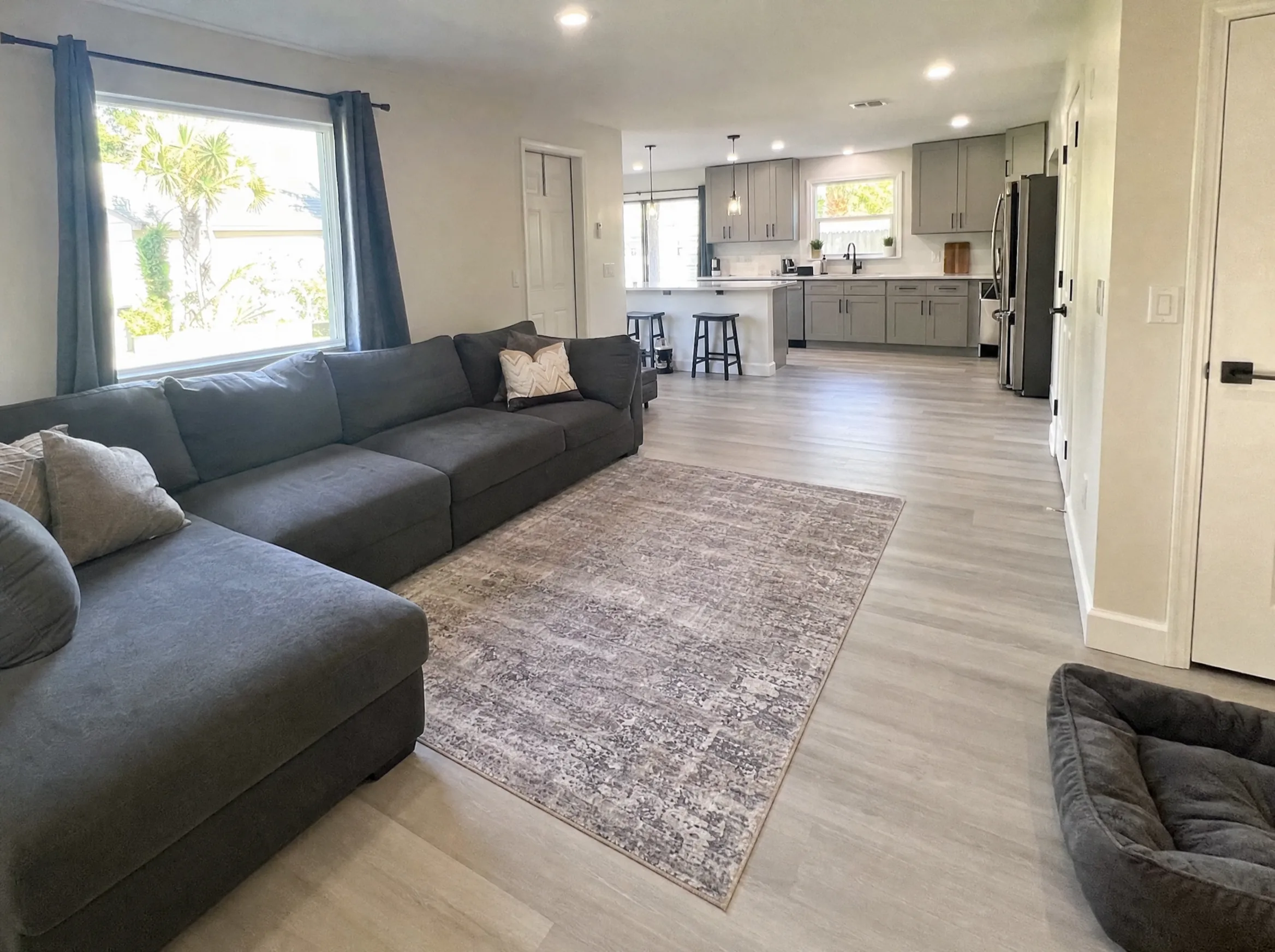
- Closed kitchens that owners want to open to the living space.
1980s and 1990s homes
These homes are now 30 to 45 years old. Common needs:
- Polybutylene water lines, a gray plastic pipe used in many homes of that period that is prone to failure and often flagged by insurers.
- Original kitchens with soffits above the upper cabinets, oak or laminate cabinets and tile or laminate counters.
- Builder-grade bathrooms with fiberglass tub surrounds.
- Original single-pane or early double-pane windows.
2000s and newer homes
Newer homes in communities across Lake Nona, Winter Garden, Clermont and Lake Mary usually have sound systems but builder-grade finishes. Common projects:
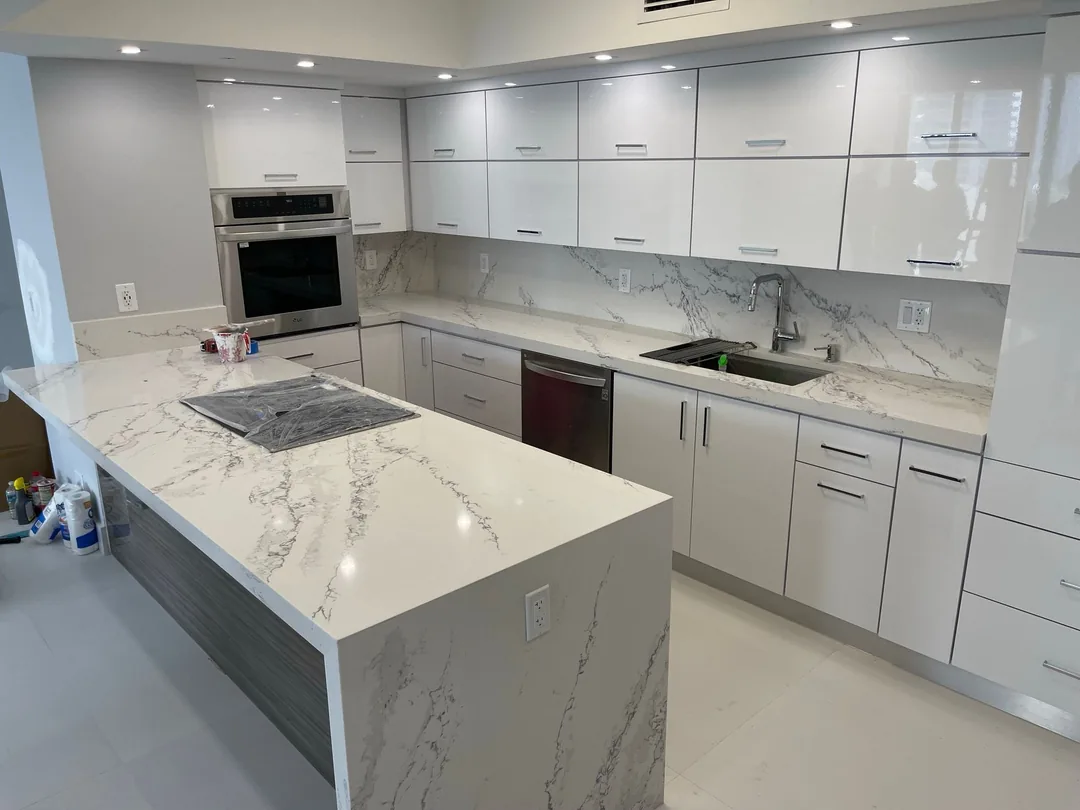
- Kitchen upgrades: new counters, refaced or replaced cabinets, larger islands.
- Primary bathroom remodels, often tub-to-shower conversions.
- Flooring replacement throughout.
- HOA approval for anything exterior.
Typical Orlando renovation costs in 2026
Typical Orlando-area planning ranges, installed (labor and materials):
| Project | Typical range |
|---|---|
| Kitchen cosmetic refresh (same layout) | $15,000 to $35,000 |
| Mid-range full kitchen remodel | $35,000 to $75,000 |
| High-end kitchen or layout change | $75,000 to $150,000+ |
| Guest or hall bathroom, same layout | $12,000 to $25,000 |
| Full primary bathroom | $25,000 to $50,000 |
| Tub-to-shower conversion | $10,000 to $20,000 |
| Whole-home gut renovation | $100 to $250 per sq ft |
| Home addition | $200 to $400 per sq ft |
| Whole-home impact window project | $15,000 to $45,000+ |
These vary with size, materials, condition behind the walls and permit scope. For whole-house numbers by home size, see our home gut renovation cost guide. For kitchens, see the Orlando kitchen remodel cost guide.
Two Central Florida factors push costs up more than homeowners expect:
- Slab foundations. Moving a sink, toilet or shower drain means cutting and trenching concrete. Moving a sink or other plumbing typically adds $1,500 to $4,000 or more.
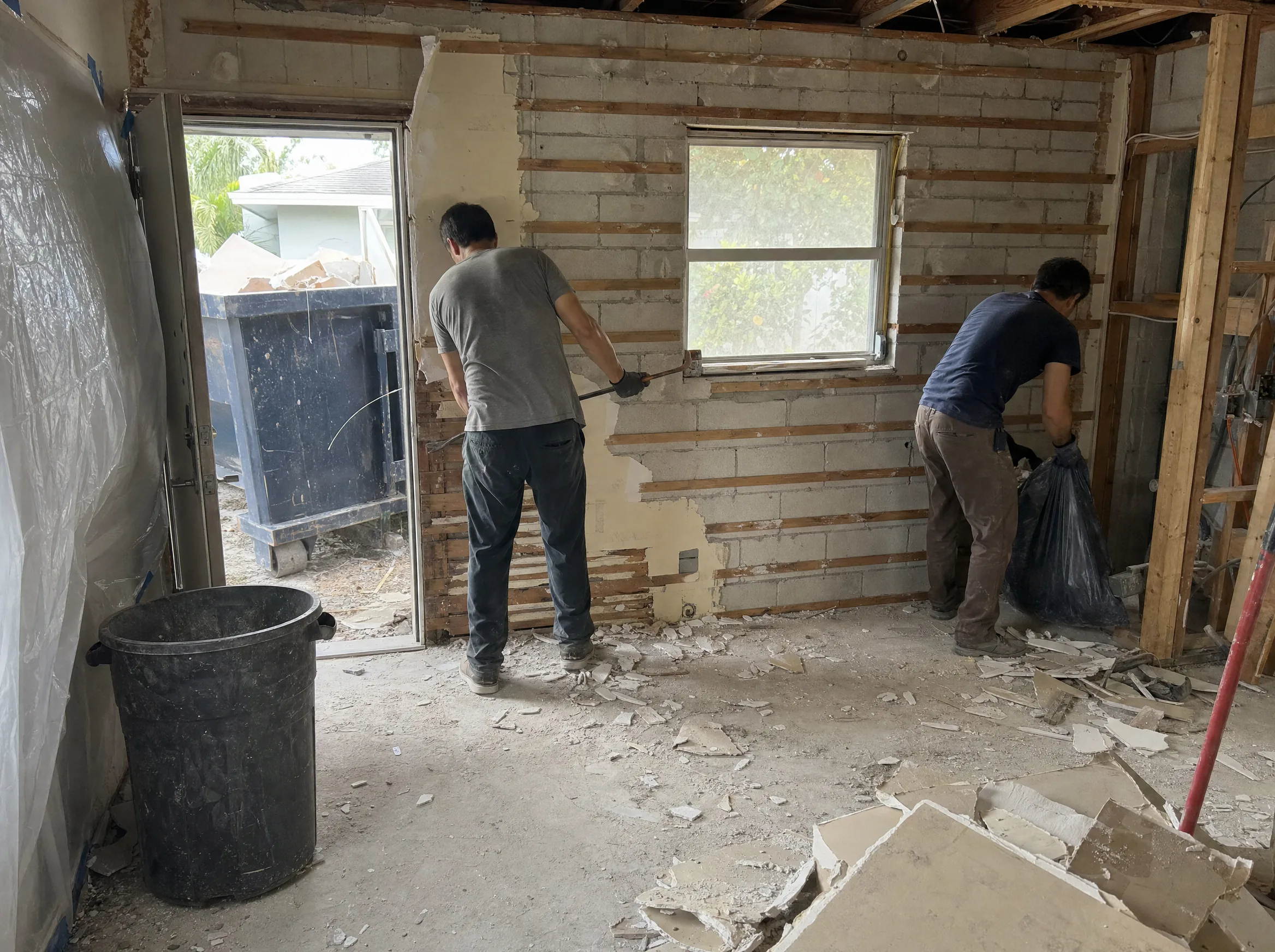
- What is behind the walls. Old plumbing, wiring and termite damage are found during demolition, so hold a contingency.
Permits: city or county?
Who issues your permit depends on where the house sits, not on its mailing address. An Orlando mailing address does not mean you are inside Orlando city limits.
- Inside city limits: the city building department, for example the City of Orlando, Winter Park, Kissimmee, Sanford, Winter Garden or Lake Mary.
- Unincorporated areas: the county, such as Orange County’s Division of Building Safety, Seminole County’s Building Division, or the Osceola County Building Office.
Our guide to City of Orlando building permits walks through the city process.
Typical permit triggers for a renovation include plumbing, electrical, gas, mechanical, structural or wall changes, windows and exterior doors, and layout changes. Cosmetic work such as paint, flooring and same-location cabinet or counter replacement usually does not need one, but confirm locally. Permit fees are set by each city or county fee schedule, usually based on the job’s value, and are included in a contractor’s estimate.
Two state rules apply to most larger renovations:
- Work is designed and inspected to the Florida Building Code, 8th Edition (2023).
- A Notice of Commencement must be recorded with the county clerk for improvements where the contract is more than $5,000.
HOA approvals in master-planned communities
Many Orlando-area neighborhoods have an HOA with an architectural review committee. Typical items that need approval before work starts:
- Window and door replacement, including frame color.
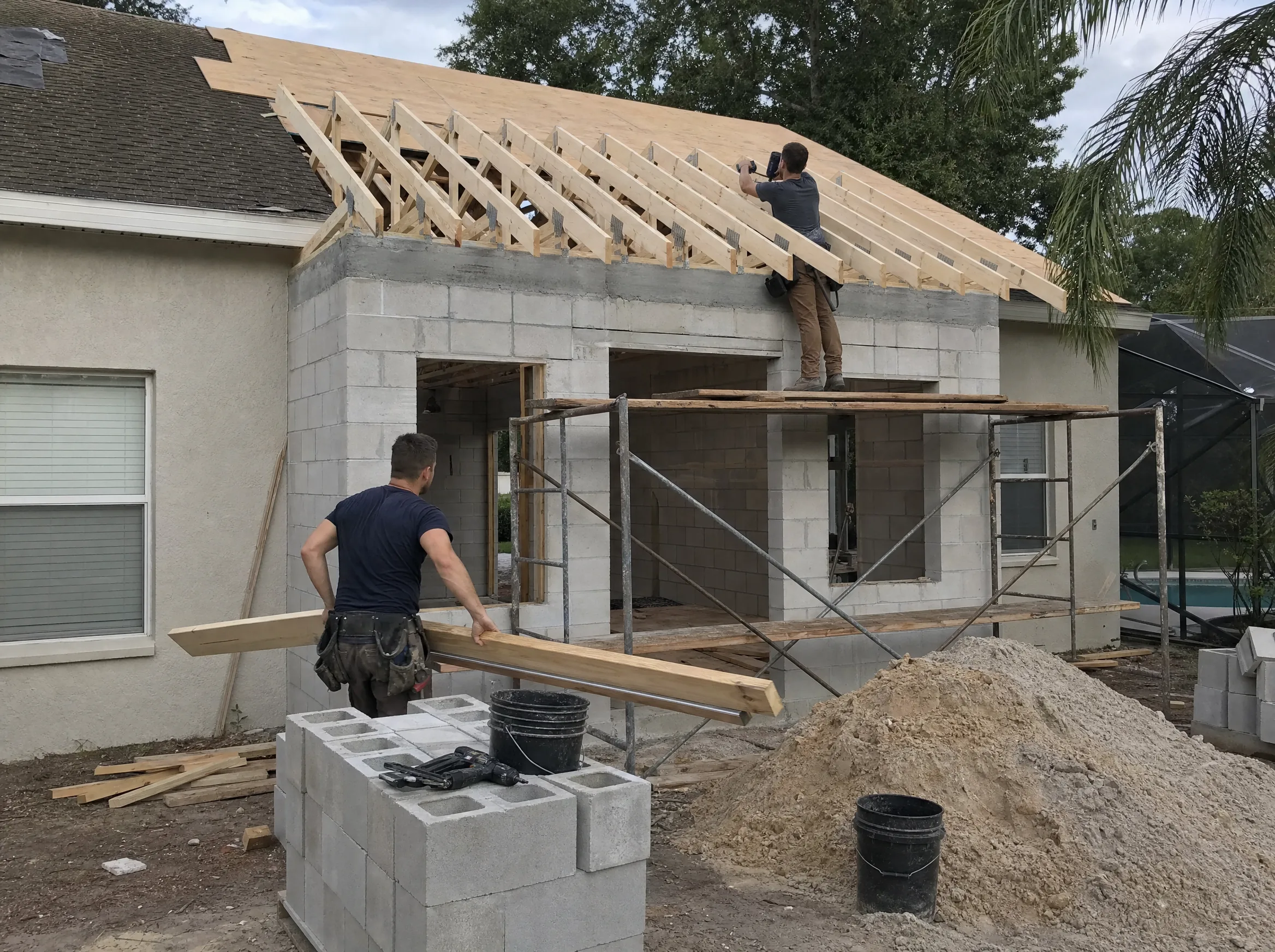
- Additions, enclosed lanais and garage conversions.
- Exterior paint colors and roofing.
- Driveways, pavers and fences.
- Sometimes dumpster placement and contractor work hours.
Approval can take weeks, so submit early and include it in your timeline. Interior-only remodels usually do not need HOA approval.
Timing around Orlando weather
- Hurricane season runs June 1 to November 30. Interior projects carry on normally, but additions, roof tie-ins and window replacement are best scheduled so the house is not left open during storms.
- Summer rain arrives most afternoons in the warmer months, which affects exterior work and deliveries.
- Humidity matters for materials. Wood flooring and cabinets should acclimate, and bathrooms need exhaust fans vented outside.
How to choose an Orlando renovation company
- Verify the license at myfloridalicense.com. Structural work and whole-home remodels need a Certified General, Building or Residential Contractor.
- Confirm insurance: general liability and workers’ compensation certificates from the agent.
- Ask about local experience with your type of home, such as block homes on slab or older frame houses.
- Ask who pulls the permit. It should be the contractor, not you.
- Compare written scopes line by line, including allowances and exclusions.
- Check the payment schedule. It should follow completed milestones.
If you are researching commercial renovation or a downtown Orlando build-out rather than a home, the licensing and permit basics are similar, but the scope and code requirements differ. Our commercial construction page covers that side.
Planning a renovation in Orlando?
Every Orlando renovation starts with knowing what your house actually needs. Prime Construction visits your home, measures, checks for the age-related issues above, and prepares a 3D design rendering and written estimate before you commit. Learn more about our home remodeling work in Orlando and nearby cities, then call (407) 404-3944 or request an estimate.