
Home Remodeling
What Does a General Contractor Do? A Homeowner's Guide
What does a general contractor do on a remodel: permits, subcontractors, scheduling, payments and Florida lien law basics, plus when you need a GC.
By the Prime Construction team Updated October 13, 2026 6 min read
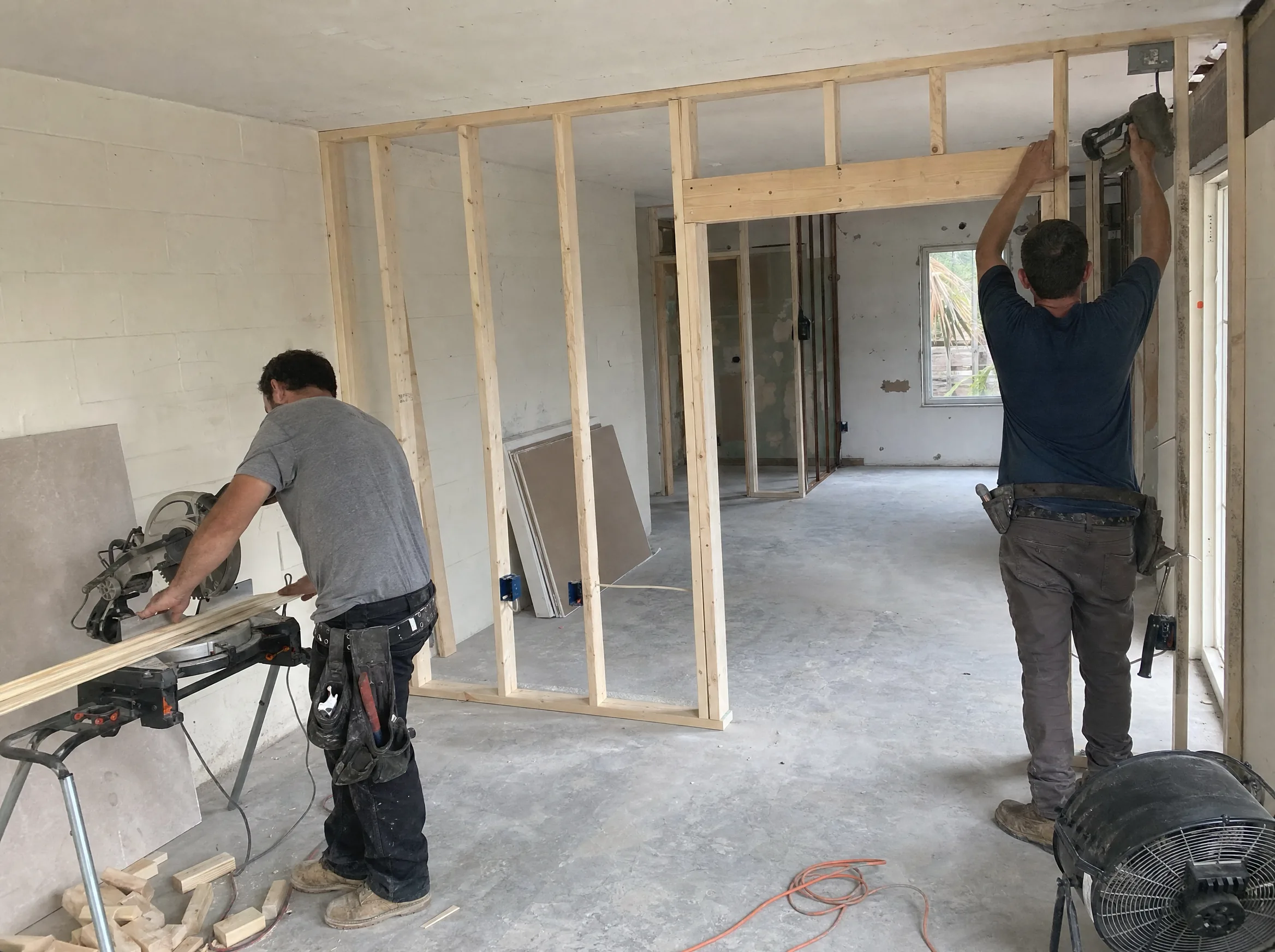
A general contractor (GC) runs a construction project from start to finish. On a home remodel, that means pricing the work, pulling the permits, hiring and scheduling the subcontractors, ordering and checking materials, managing the job site, getting the work inspected and paying everyone who worked on your house. You sign one contract and have one party responsible for the result, instead of coordinating a plumber, electrician, tile setter, drywall crew and inspector yourself.
The general contractor’s job, phase by phase
1. Planning, scope and pricing
Before any work starts, the GC visits the home, measures, and turns your goals into a defined scope: what gets removed, what gets built, which materials and fixtures, and what needs a licensed trade. A good estimate is specific enough that two people would build the same thing from it. This is also when the GC spots problems that change the price, such as a load-bearing wall, old plumbing or a slab that has to be cut to move a drain.
2. Design coordination
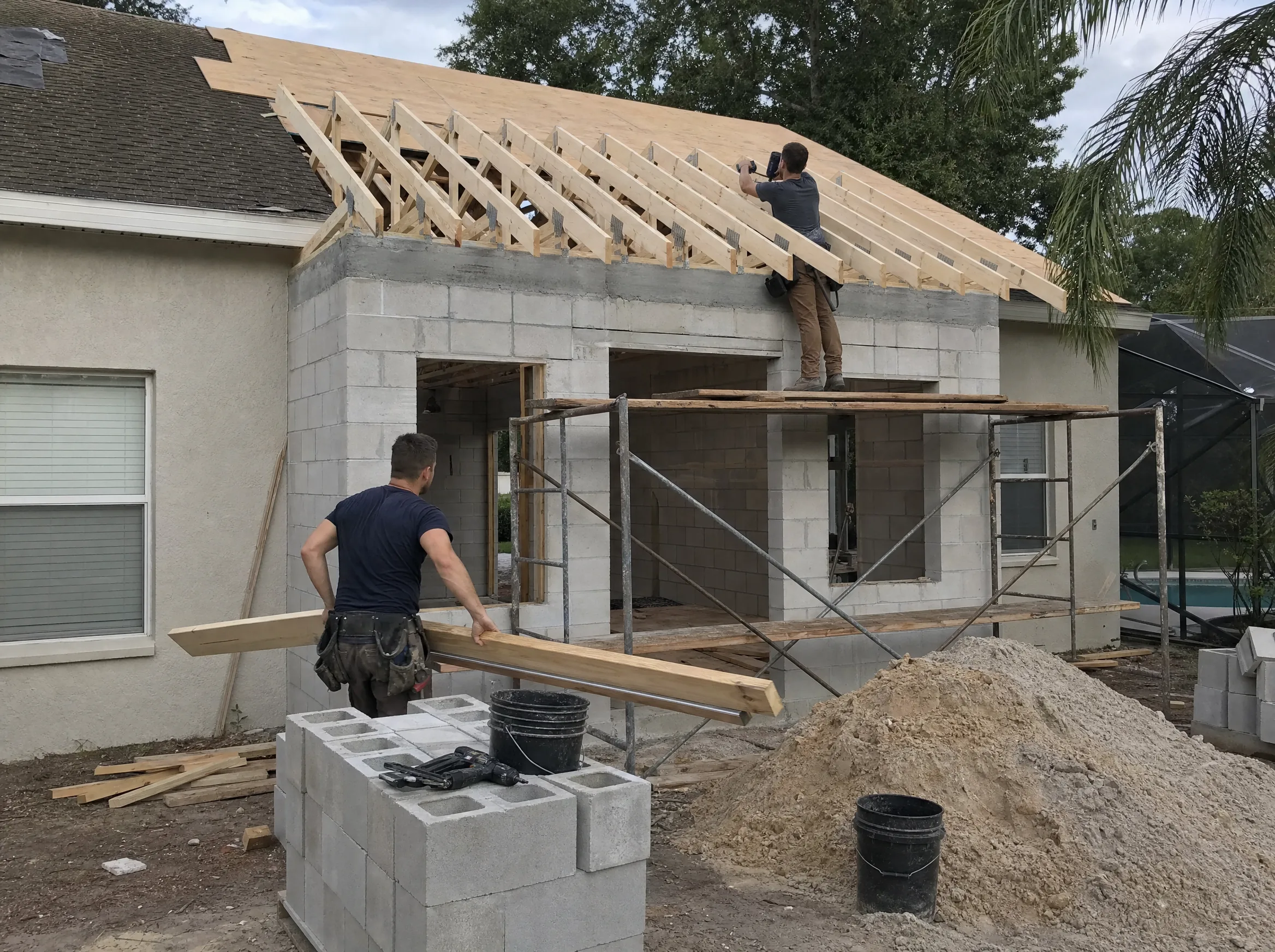
On many remodels the contractor also coordinates the design. Our process, for example, is to measure, produce a 3D rendering, finalize material selections, and only then order. Where engineering is needed (beams, additions, structural openings), the GC brings in a licensed engineer or architect and coordinates their drawings with the permit set.
3. Permits and code compliance
Pulling permits is one of the clearest dividing lines between a GC and a handyman. The contractor:
- Confirms which building department has jurisdiction (city or county).
- Prepares and submits the permit application and plans.
- Makes sure each licensed trade pulls its own sub-permit.
- Schedules inspections at each stage and corrects anything the inspector flags.
- Closes the permit after the final inspection passes.
The permit should be in the contractor’s name. If someone wants you to pull an owner-builder permit for work they are doing, you would be taking on their legal responsibilities. Our permit guides for the City of Orlando and Orange County walk through local requirements.
4. Hiring and managing subcontractors
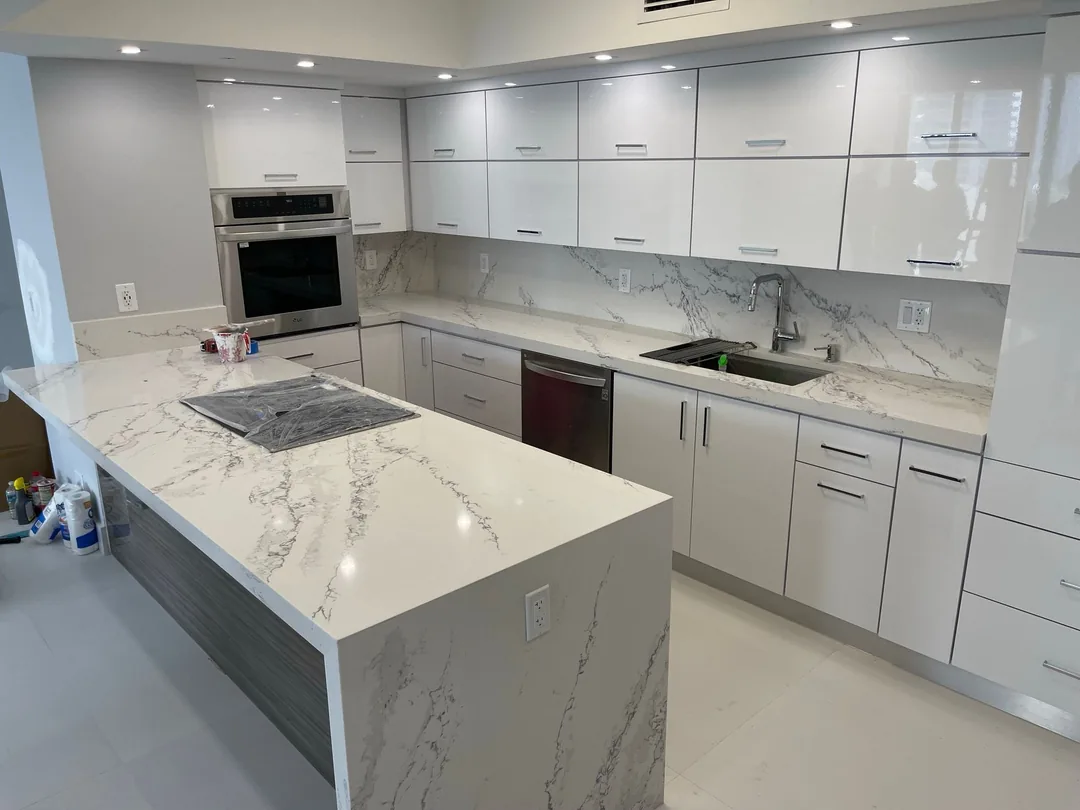
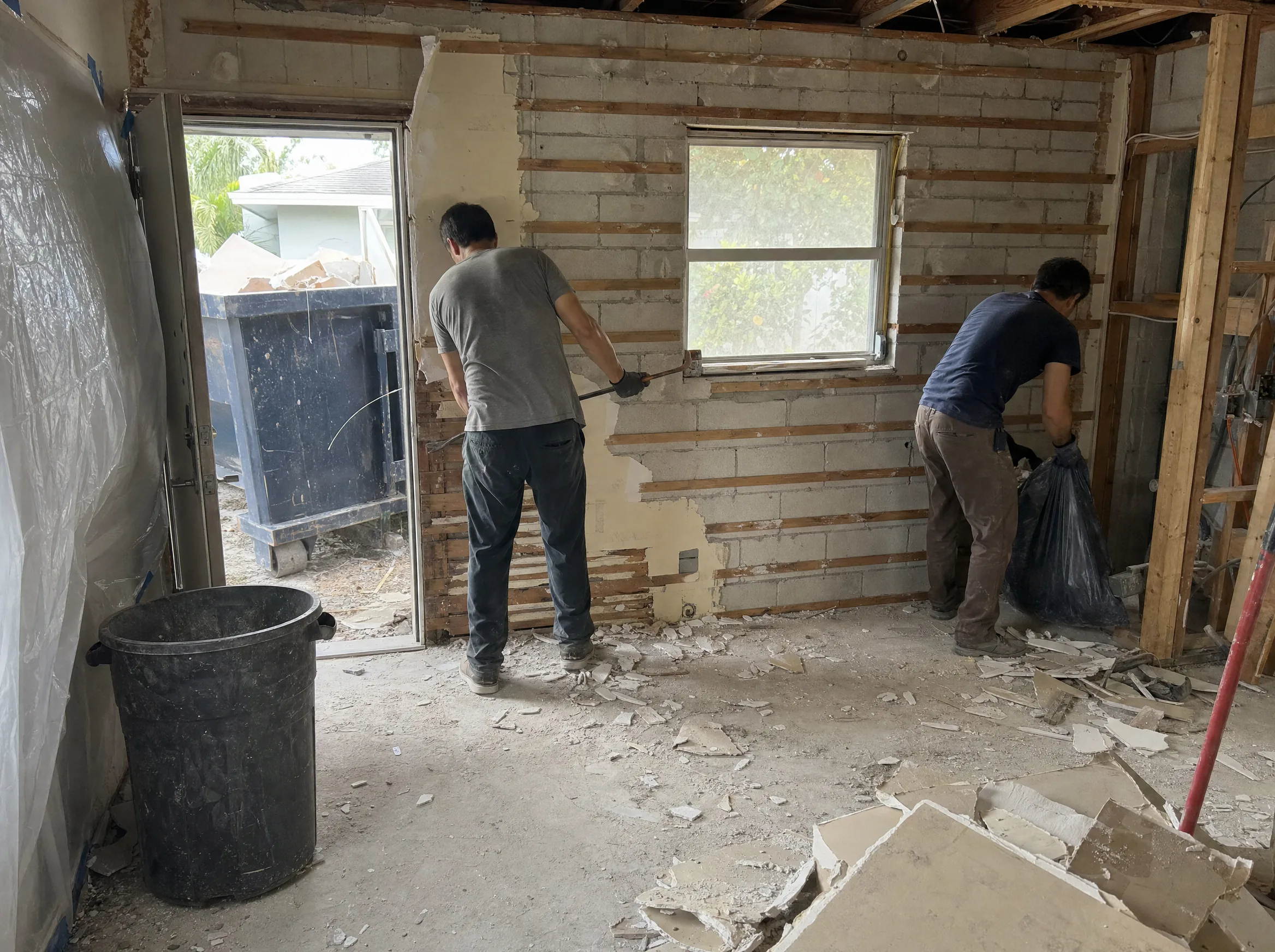
Most GCs do some work with their own crews and subcontract the rest. On a typical kitchen or bathroom remodel the trades can include demolition, plumbing, electrical, HVAC, framing, drywall, tile, cabinet installation, countertop fabrication and paint. The GC:
- Hires licensed and insured subs for regulated trades.
- Sets the order of work so each trade arrives when the site is ready.
- Checks quality before the next trade covers it up.
- Pays the subs and suppliers out of the money you pay the GC.
5. Scheduling
Sequencing is where most of a project’s time is won or lost. A simplified bathroom sequence looks like this:
- Protection and demolition
- Rough plumbing and electrical, then rough inspection
- Framing repairs, backing for grab bars and niches
- Cement board or other backer and waterproofing, with cure time
- Tile, grout and sealing
- Vanity, top, fixtures, glass and trim
- Final inspection and walk-through
Lead times for cabinets, special-order tile and windows drive the start date. The GC orders early and checks every item when it arrives so a damaged cabinet does not stop the job halfway through.
6. Site management and communication
Day to day, the GC keeps the site safe and clean, protects the parts of the house not being remodeled, handles deliveries and debris, and keeps you informed. When something unexpected turns up behind a wall, the GC explains the options and puts any change in writing before doing the work.
7. Closeout
At the end, the GC completes the punch list, passes the final inspection, closes the permit, walks you through the finished work and hands over product information. The final payment should come after all of that, not before.
When you need a general contractor vs a single trade
| Project | Who to hire |
|---|---|
| Replace a water heater or a faucet | Licensed plumber |
| Add a circuit, replace a panel | Licensed electrician |
| Replace the A/C system | Licensed mechanical or A/C contractor |
| Paint, new flooring, or countertop swap on existing cabinets | The installer for that trade |
| Kitchen remodel with new cabinets, plumbing and electrical | General contractor |
| Bathroom remodel or tub-to-shower conversion | General contractor |
| Removing or moving walls, additions, garage conversions | General contractor with engineering |
| Whole-home renovation or commercial build-out | General contractor |
A simple test: if the project needs two or more trades, or touches walls, structure or layout, hire a GC. In Florida, check that the GC’s license category fits the project. Our guide to the Florida general contractor license explains CGC, CBC and CRC and how to verify a license.
How payments work on a remodel
Most residential contracts use a deposit followed by progress payments at defined milestones, for example after demolition, after rough inspections pass, when cabinets or tile are installed, and at final completion. Florida law adds a check on large deposits: under Florida Statutes 489.126, a contractor who receives more than 10 percent of the contract price must apply for permits within 30 days and start work within 90 days after permits are issued, unless there is just cause or you agreed in writing to a longer period.
Tie each payment to something you can see or an inspection that passed, not to dates on a calendar.
Florida lien law basics every homeowner should know
Florida’s construction lien law (Chapter 713, Florida Statutes) lets unpaid contractors, subcontractors and suppliers put a lien on the property they improved. That can happen even if you already paid your contractor in full, which is why a few documents matter so much.
The lien law notice in your contract
For residential contracts over $2,500, Florida Statutes 713.015 requires a notice in bold capital letters explaining your rights under the lien law, which you sign. It includes the warning about paying twice and advises getting a written release of lien before each payment. If your contract does not have it, ask why.
Notice of Commencement
Before work starts on improvements over $5,000, the owner records a Notice of Commencement with the county clerk and posts a certified copy (or a notarized statement and copy) at the job site, under Florida Statutes 713.13. In practice your contractor usually prepares it for your signature. Two details:
- It is generally effective for one year from recording unless it states a later date.
- The statute says payments made after it expires are considered improper payments, which can result in paying twice. On a long project, make sure it is extended.
Building departments often require the recorded notice before the first inspection.
Notices to Owner
Subcontractors and suppliers who do not have a contract directly with you may send you a Notice to Owner. Under Florida Statutes 713.06, they must serve it before starting work or within 45 days after they begin. A Notice to Owner is not a lien and not a sign of trouble. It is a list of who you need releases from.
Lien releases and the final payment affidavit
- With each progress payment, ask for partial releases from the contractor and from anyone who sent you a Notice to Owner, covering what has been paid so far.
- Before final payment, the contractor must provide a final payment affidavit stating that every lienor who served a Notice to Owner has been paid, or listing who has not. Florida law lets the owner hold the final payment until the affidavit is furnished.
- Get final releases from the contractor and listed subs and suppliers with the last payment.
If a lender is involved, the lender usually manages this process for each draw, but you should still see the paperwork.
Questions to ask a general contractor before you sign
- What license do you hold, and can I see your insurance certificates?
- Who pulls the permits, and will they be in your company’s name?
- Which work is done by your crew and which by subcontractors?
- What is the payment schedule, and what milestone triggers each payment?
- How do you handle change orders and surprises behind the walls?
- Will you provide lien releases with each payment?
Hiring a general contractor in Orlando?
Prime Construction is a licensed general contractor (CGC1535686) and plumbing contractor (CFC1433952) serving Orange, Seminole, Osceola and Lake counties. We measure, design in 3D, order and check every item, pull the permits, manage the trades and finish with a walk-through. Learn more about our general contractor services, kitchen remodeling or home additions, call (407) 404-3944 or request an estimate.