
Kitchen
How to Pay for a Kitchen Remodel: Cash, Savings, Phasing
How to pay for a kitchen remodel with less debt: build a budget, save on a schedule, phase the work, and know when borrowing makes sense.
By the Prime Construction team Updated October 13, 2026 5 min read
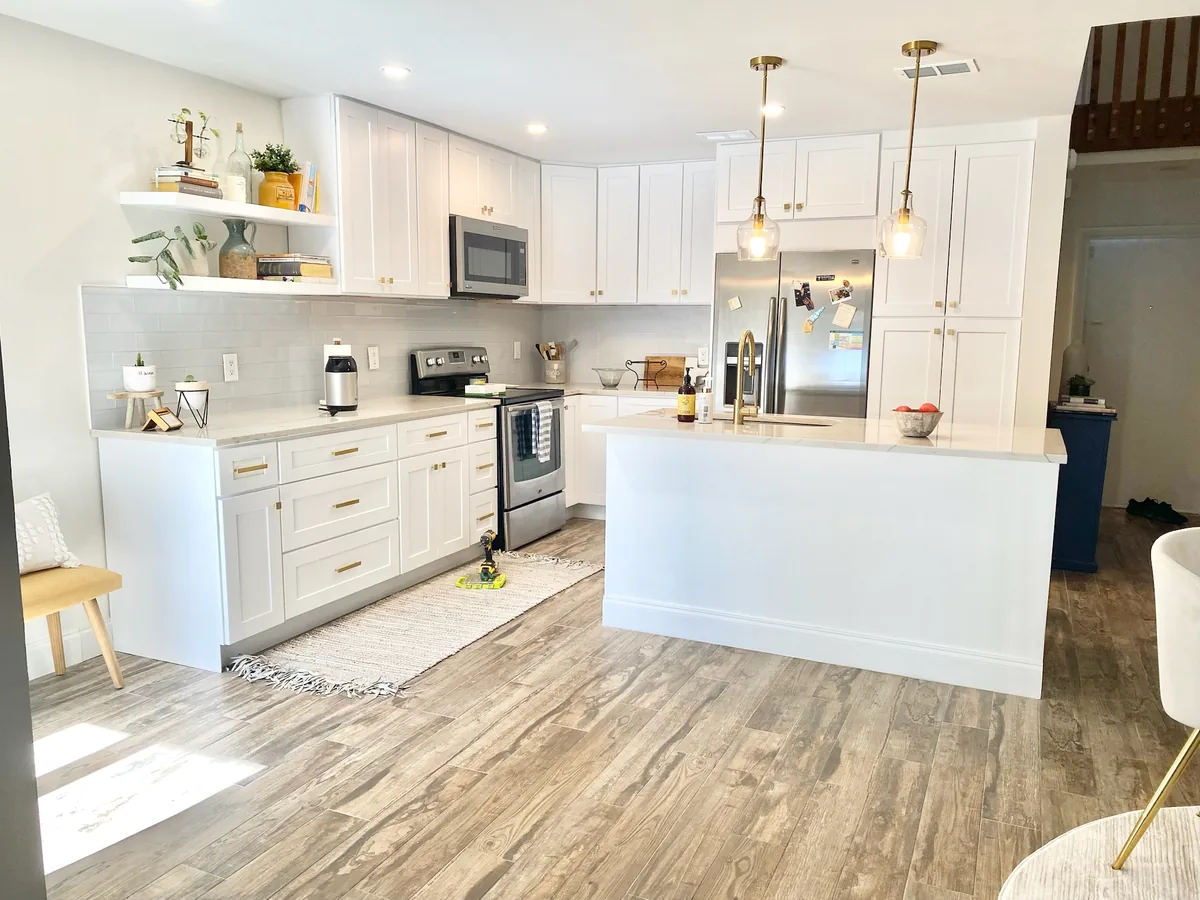
The simplest way to pay for a kitchen remodel is with cash you set aside on a schedule, and the most practical way to avoid borrowing is to phase the project or trim the scope until it matches what you have. Start with a written estimate, add a 10 to 15 percent contingency, then decide how much comes from savings, how much can wait for a later phase, and whether any gap is worth financing. This guide is about budgeting and paying with as little debt as possible.
If you already know you will borrow, our guide to kitchen remodel financing options compares the loan types and links to deeper guides on home equity and renovation loans.
Step 1: Turn the idea into a number
You cannot save toward a number you do not know. Typical Orlando-area planning ranges for 2026, installed:
| Kitchen scope | Typical range |
|---|---|
| Cosmetic refresh (same layout) | $15,000 to $35,000 |
| Mid-range full remodel | $35,000 to $75,000 |
| High-end or layout change | $75,000 to $150,000+ |
| Small kitchen about 70 to 100 sq ft, full remodel | $15,000 to $45,000 |
The ranges are wide on purpose. Size, cabinet grade, countertop material, whether the sink moves, and what turns up behind the walls all move the price. Get an in-home measure and a written, itemized estimate. For what pushes each tier up or down, see our Orlando kitchen remodel cost guide.
Step 2: Build a budget with a contingency
Use the estimate as a base, then add:
- Contingency of 10 to 15 percent. Older Central Florida homes can hide galvanized or polybutylene supply lines, outdated wiring, or water damage under the sink base. You want money for that without stopping work.
- Things outside the contractor’s scope. Appliances you buy yourself, new dishes or small appliances, window treatments, and eating out while the kitchen is down.
- A temporary kitchen. A folding table, microwave, coffee maker and the laundry sink can carry you through 4 to 8 weeks of on-site work on a full remodel.
Write the budget down by category: cabinets, counters, backsplash, plumbing, electrical, flooring, appliances, lighting, permits, contingency. Cabinets alone are usually 30 to 40 percent of a full kitchen budget, so that line deserves the most attention.
Step 3: Decide where you can save
Before you decide how to pay, decide what you are paying for. The biggest levers:
- Keep the layout. Moving a sink or other plumbing typically adds $1,500 to $4,000+ because most Orlando-area homes are slab-on-grade and drains run through concrete.
- Reface instead of replace. If the boxes are sound, refacing typically runs $7,000 to $15,000 for an average kitchen, usually 40 to 50 percent less than comparable new cabinets.
- Choose the countertop by budget. Installed, laminate runs about $25 to $50 per sq ft, granite $50 to $100, quartz $60 to $120. A typical 40 to 60 sq ft kitchen in quartz is about $3,000 to $7,000.
- Pick a simpler backsplash. Ceramic and subway tile sit at the low end of the $20 to $60 per sq ft installed range.
- Mid-range appliances. An entry package is about $3,000 to $6,000, mid-range $6,000 to $15,000, premium $15,000+.
More ideas are in our guide to a cost-effective kitchen remodel.
Step 4: Set a savings plan with a target date
Divide the budget (minus what you have now) by the months until you want to start. If the monthly number is too high, either push the start date, trim scope, or plan phases.
Practical tips:
- Use a separate savings account so the remodel fund is not mixed with everyday money.
- Automate a transfer on payday.
- Direct windfalls such as a tax refund or bonus to the fund.
- Keep your emergency reserve separate. In Florida that matters: hurricane season runs June 1 to November 30, and insurance deductibles for wind damage can be significant.
- Start design while you save. Design, selections and cabinet ordering take 3 to 8 weeks, and you will know your exact number sooner.
Step 5: Phase the remodel if the full project does not fit
Phasing is the main way to pay as you go. It works when each phase leaves a finished, usable kitchen and when the full design is drawn first.
A common phase plan:
- Phase 1, the core. Demolition, any plumbing or electrical changes, new cabinets and a temporary or budget countertop. This is the most disruptive work, so it goes first.
- Phase 2, surfaces. Final countertops (templated to the installed cabinets), sink, faucet and backsplash.
- Phase 3, finishes. Appliances you are upgrading, lighting fixtures, under-cabinet lights, hardware and paint.
A lighter alternative for kitchens with good cabinets: refinish or reface cabinets and replace counters now, then flooring and appliances later.
What to know before phasing:
- It costs somewhat more in total because crews mobilize more than once and some work is done twice (for example, a temporary top).
- Flooring decisions matter early. If new flooring will go under the cabinets, it usually needs to happen in phase 1.
- Permits are pulled for the work being done; a later phase with new plumbing or circuits may need its own permit.
Step 6: Understand how payments are scheduled
Most remodelers bill in stages tied to progress: a deposit when the contract is signed or materials are ordered, payments at milestones such as cabinet delivery or installation, and a final payment after the walk-through. Ask for the schedule in writing before you sign, and line up your savings or financing to match it.
In Florida, a contractor who takes more than 10 percent of the contract price as a deposit must apply for permits within 30 days and start work within 90 days after the permit is issued, unless the contract provides otherwise in the way the statute allows. For contracts over $5,000, a Notice of Commencement is generally recorded with the county clerk before work starts.
When borrowing still makes sense
Paying cash is not always the best answer. Borrowing for part of the project can be reasonable when:
- The kitchen has a real problem, such as a leak, mold or failing cabinets, and waiting will make it worse.
- You are buying or refinancing a home anyway and can include renovation costs in a renovation mortgage.
- Combining cash with a smaller loan lets you do the work once instead of in several phases.
If you borrow, borrow only the gap, and compare total cost, not the monthly payment.
Where Prime Construction fits
Prime Construction does not lend money or offer financing. We help you pay for the right project: we measure, create a 3D design rendering, give you a detailed written scope and estimate, and can plan the work in phases so you spend what you have. Lenders ask for that same written scope if you decide to finance part of it.
Planning a kitchen remodel in Orlando?
A good budget starts with a measured estimate. Prime Construction serves Orlando and nearby areas such as Winter Park and Lake Mary, and our kitchen remodeling process starts with an in-home measure and 3D rendering so you know the number before you commit. Call (407) 404-3944 or request an estimate.